The general chemical formula of LABSA is RC6H4SO3H, in which R can be a straight or a branched alkyl chain. LABSA is a mixture of closely related isomers and homologs. Each containing an aromatic ring sulfonated at the para position and attached to a linear alkyl chain of different lengths (C10 to C13 or C14).
Chemical and physical properties of LABSA:
- CAS number: 68584-22-5
- IUPAK name: 4-dodecan-3-ylbenzensulfonic acid
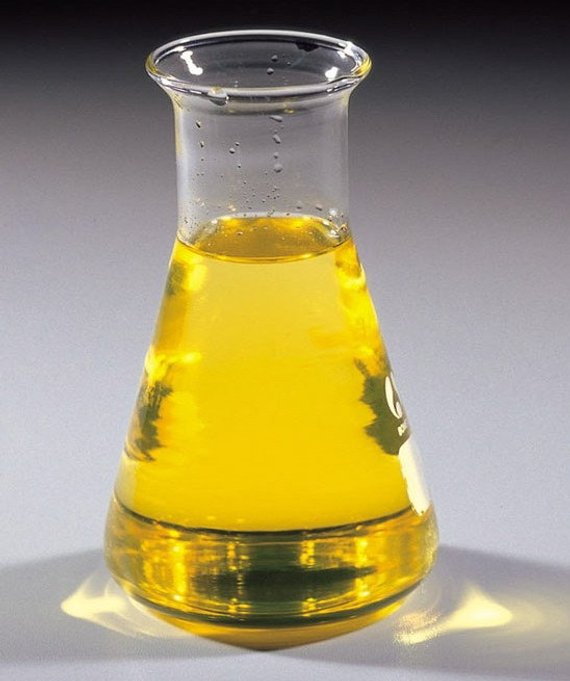
- Appearance: Viscous liquid
- Color: Light brown
- Molecular weight: 326.5 g/mol
- Active matter, % by mass: 96-98
- Free organic material: Max 2%
- Sulfuric acid: Max 1.5%
- Water: Max 0.5%
LABSA is a synthetic surfactant that is widely used due to its relatively low cost and good performance. It is an environmentally friendly substance because of its straight chemical chain that makes it prone to biodegradation. Although some competitive surfactants have advantages of greater hard-water tolerance or better compatibility with enzymes, Linear Alkylbenzene Sulfonic Acid has more favorable properties and is often more affordable.
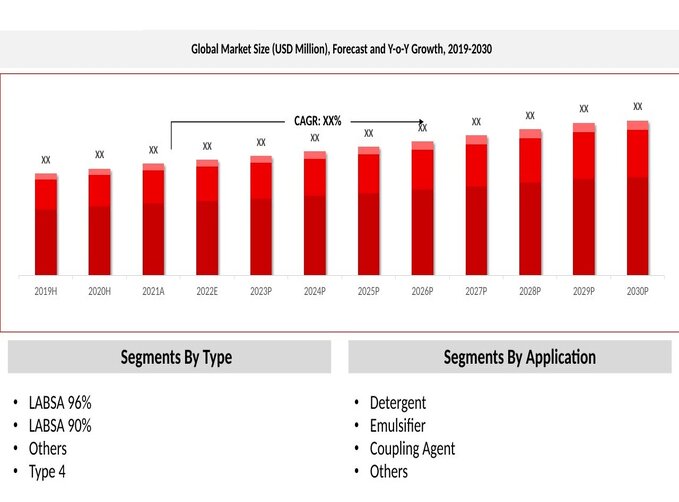
The global linear alkyl benzene sulphonic acid (LABSA) market is expected to grow at a CAGR of 5.5% during the forecast period from 2018 to 2030. The LABSA 96% segment is expected to account for the largest share of the global LABSA market in terms of volume in 2018, while the LABSA 90% segment is projected to be the fastest-growing segment during the forecast period. The detergent application segment is estimated to account for a major share of the global LABSA market in terms of value and volume in 2018. North America accounted for a major share of the global linear alkyl benzene sulphonic acid (LABSA) market in 2017 and this trend is projected to continue during the forecast period.
Asia Pacific is expected to be the largest and fastest-growing regional market over the forecast period. The growth of this region can be attributed to increasing product demand from detergent, emulsifier, and coupling agent applications. Detergent usage in various end-use industries such as automotive, industrial cleaning & maintenance, food processing is projected to drive LABSA demand in Asia Pacific over the next eight years.
North America emerged as a major consumer due to stringent regulations on environmental pollution coupled with rising awareness regarding sustainable chemical manufacturing processes among consumers and manufacturers of household products. North America was followed by Europe which accounted for a share of more than 20% in 2017 owing to high product consumption from detergent application segment mainly driven by rising consumer disposable income levels coupled with growing investments for production expansion purposes especially within Eastern European countries such as Russia and Poland.

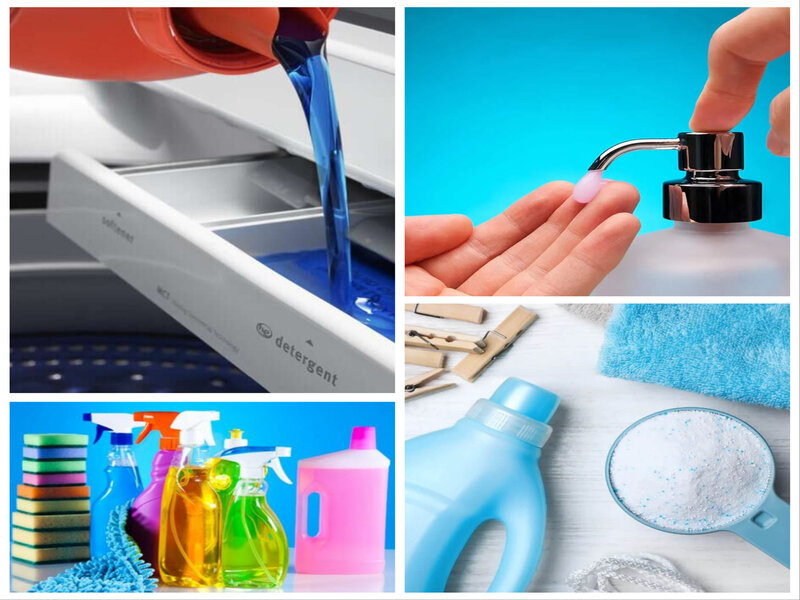
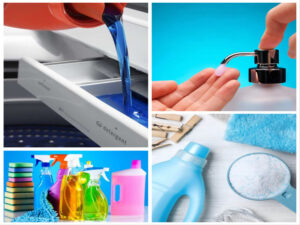
Most of LABSA consumption is in household detergency (>80%). Main application products include:
- laundry powders
- laundry liquids
- dishwashing liquids
- liquid soap
- oil soap
- all-purpose cleaners
- Processing aids
The remainder of LABSA (<20%) is used in Industrial and Institutional (I&I) cleaners, textile processing (as wetting, dispersing, and cleaning agents), industrial processes (as emulsifiers, and polymerization agents), and in the formulation of agricultural herbicides.
- New plastic drums
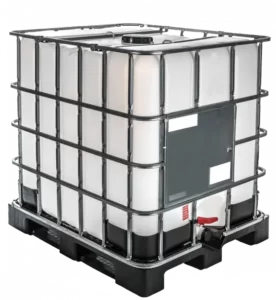
- IBCs (intermediate bulk containers)
- Bulk



)
Reviews
There are no reviews yet.