
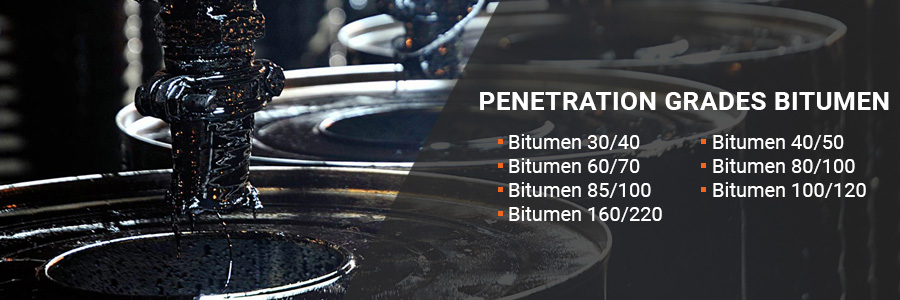
Since various kinds of crude oils give various types of bitumen with completely different properties, grading bitumen is vital. For grading bitumen based on its properties, refineries use a number of standard tests to measure the viscosity level, penetration value, performance, and consistency of bitumen. The result of these tests is bitumen penetration grades and viscosity grades. Other grades of bitumen, including cutback bitumen, oxidized bitumen, and bitumen emulsions are classified based on their production process.
- Gilsonite (Natural bitumen):
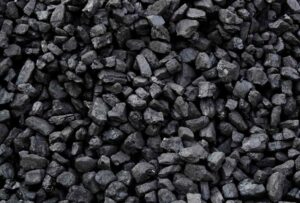
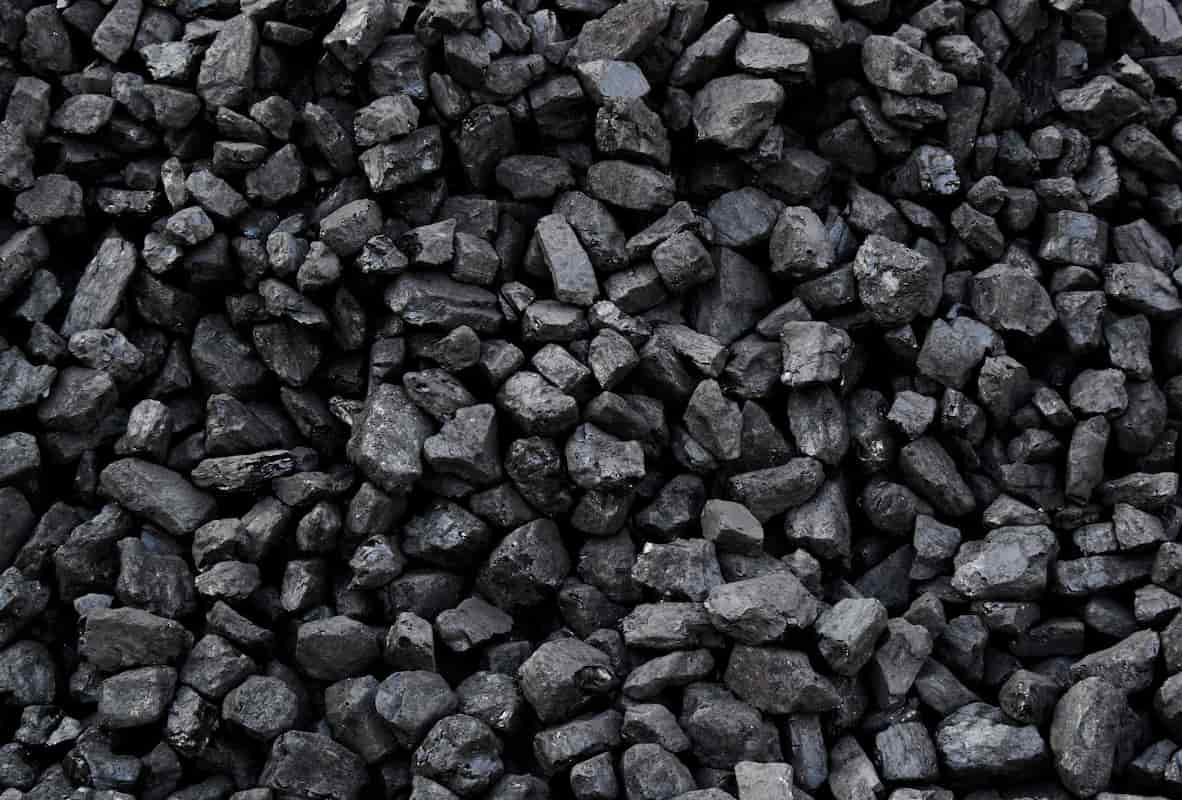
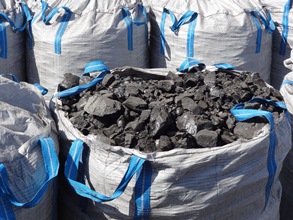
Gilsonite is natural bitumen with a shiny and smooth and solid appearance. Types of Gilsonite are classified based on their ash contents and the solubility in organic solvents. Since it is a hard and brittle material, it is mostly used in powder form. Gilsonite composition is close to refinery bitumen.
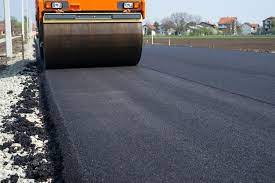
Sometimes in the road construction industry, the combination of gilsonite with refined bitumen is used. Although it has a higher resistance to water penetration its degree of penetration and deformation is low.
Applications of gilsonite:
- Printing industries
- Painting industry
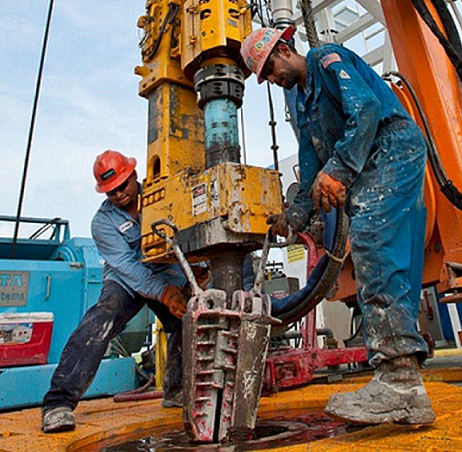
- Drilling mud and cement
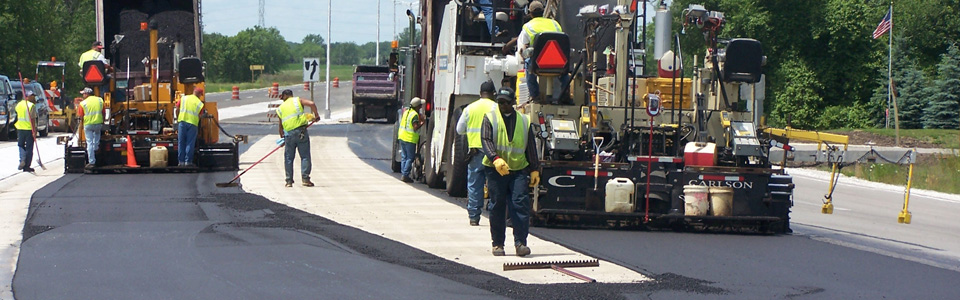
- Asphalt and road construction
- Casting sand additive
- Chemical products
- Improving the quality of bitumen
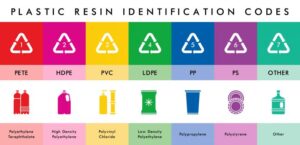
- Low density polyethylene (LDPE)
Due to its flexibility and other properties LDPE is used predominantly to manufacture films such as garment and produce bags, agricultural films, refuse sacks, and packaging films, foams and bubble wrap. Other uses include flexible lids, flexible bottles, wire and cable applications, some bottle tops, and irrigation pipes.
- High density polyethylene (HDPE)
The excellent chemical resistance of HDPE makes it ideal for packaging household and industrial chemicals, such as detergents, bleach and acids. Its moderate stretch and high strength characteristics make it especially suitable for grocery bags, as found in most supermarkets. Other common uses include film, especially snack food packages and cereal box liners, milk and non-carbonated drinks bottles, margarine tubs, toys, buckets, rigid pipes, crates, plastic lumber, garden furniture, flower pots, and signs. As HDPE is permeable to gas it is not suitable for applications requiring an oxygen or CO2 barrier.
- Polypropylene (PP)
PP is found in everything from flexible and rigid packaging to fibers for fabrics and carpets and large moulded parts for automotive and consumer products, such as automobile battery casings. Most bottle tops are made from PP. Other common uses include ketchup and pancake syrup bottles, yoghurt and margarine containers, potato crisp bags, drinking straws, hinged lunch boxes, refrigerated containers, medicine bottles, crates, plant pots, and heavy gauge woven bags or tarps.
- General purpose polystyrene (GPPS)
General purpose polystyrene is relatively strong and has a good weather resistant. The material is easy to flow and is ideal molding material for toys, CD boxes, hangers and plastic cups. Polystyrene is used in applications such as IT equipment, transparent jewelry boxes and other types of castings and packaging.
- High impact polystyrene (HIPS)
Unlike General Purpose polystyrene (GPPS), High impact polystyrene (or HIPS) contains rubber and is used in the manufacture of products that must be impact resistant and less transparent than GPPS. It has a standard flow, is transparent but less than GPPS, is crack resistant, and is used in injection molding. These applications include sheets for freezers. It is ideal to make food packaging, thermoformed trays, cutlery, bottles and lids.
- Polyamide (PA)
PA, a macromolecule also known as polyamide, or more commonly as its brand name ‘Nylon’, is a semi crystalline, synthetic thermoplastic, created via step-growth polymerization. Its low density, thermal stability, strength and impact properties mean Nylon is an extremely popular and versatile material, lending itself to multiple applications and industries. It is commonly found as carpet, rope, thread, packaging and clothing. Nylon fibers are used in textiles, fishing line and carpets. Nylon films are used for food packaging, offering toughness and low gas permeability, whilst injection moulded nylon make great cable ties and automotive parts.
- Acrylonitrile Butadiene Styrene (ABS)
Acrylonitrile Butadiene Styrene or ABS, is often used for the housing and ergonomic elements of a number of domestic appliances and household objects – from computer keyboards to luggage. The advantages of ABS plastic are its relatively low melting point and glass transition temperature, making ABS easy to melt down and use in injection moulding. This makes it versatile for a great number of applications. Products and components made from ABS offer high impact and heat resistance as well as strong tensile strength. ABS can also be finished to a huge range of styles including color and surface texture options, and its lower density means it is lightweight. Often used for telephone handsets, rigid luggage, domestic appliance housings (food mixers), electroplated parts, radiator grills, handles, computer housings.
- Polycarbonate (PC)
Polycarbonate (PC) is a group of a durable thermoplastics that contain carbonate in their chemical structure. Introduced for commercial use in 1958, the molecular structure of polycarbonates means they possess high-performance properties, such as high impact strength, chemical and moisture resistance and its light weight. These properties make PC a popular material for a variety of applications. Polycarbonate is often used for home water dispenser signage, chocolate trays, bottles, roof lights, machine guards, bullet proof windows, bank safety screens and bus shelter windows.
- Polyvinyl Chloride (PVC)
PVC is a thermoplastic polymer that can be melted and reshaped. Recycled PVC granules, which are produced from our production waste of hoses and PVC granules, have a relatively good quality and are used as raw materials for the production of hose inner layers and some injection parts. It is ideal to make window frames, credit cards, pipes, profiles, trays, faux leather, binder covers and door skins.
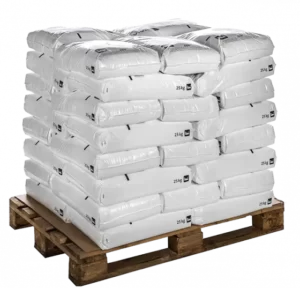
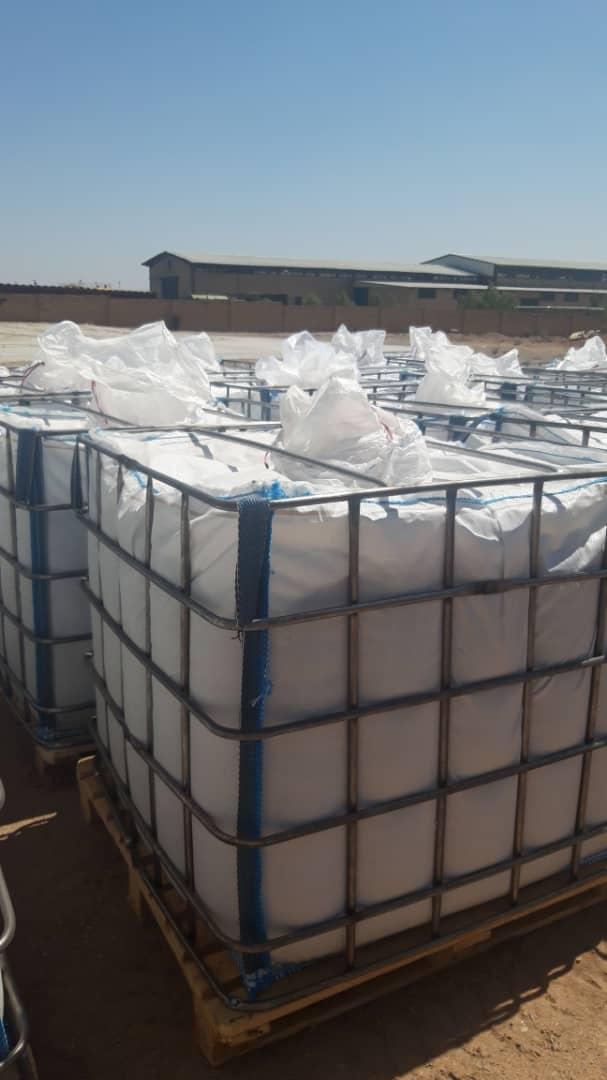
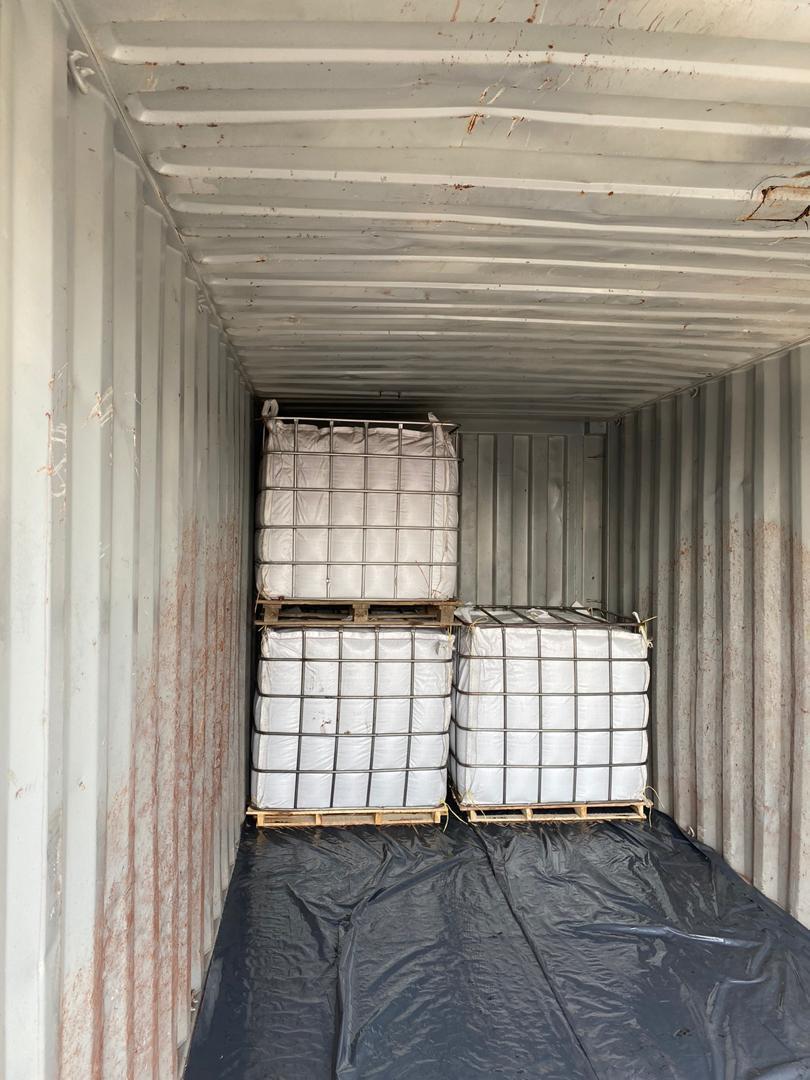
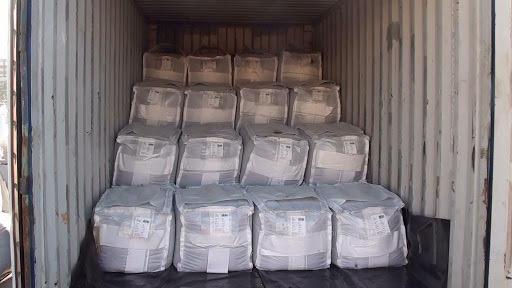
- 25Kg PP bags.


Reviews
There are no reviews yet.