

Monoethylene glycol is a clear, colorless syrupy liquid, which is produced from the reaction between water and ethylene oxide. The primary hazard is the threat to the environment. Immediate steps should be taken to limit its spread to the environment. Since Ethylene glycol is a liquid Ethylene glycol can easily penetrate the soil and contaminate groundwater and nearby streams.
Exceptional properties of MEG made it one of the main raw materials of various industrial processes. Some of the advantage of MEG is summarized in the following:
- The structure of MEG is very similar to water and makes it easy to mix with water. In other words, MEG can be mixed with water without any requirement of special emulsifiers or any other compounds.
- MEG has a low freezing point and a high boiling point, which is used in many industrial applications such as coolant and anti-freezing usages
- MEG is widely available.
- Monoethylene glycol has a lower price compared to other glycols.
- MEG has a high thermal stability.
- In antifreeze industry, MEG is much more economical than propylene glycol, as a lower percentage of MEG compared to Propylene Glycol is required to reach the same freezing point in water. Furthermore, one of the other advantages of using MEG in antifreeze is its better heat transfer properties than other chemical compounds.
Asia has a significant share in the production of the global MEG market, as the countries of this region are major producers of fiber & textiles which require Polyester and Polyethylene terephthalate. China, India and Taiwan are the leading producers of MEG among other Asian and Pacific countries. Demand for MEG is strongly affected by its usage value in textile factories, bottle manufacturers, antifreeze manufacturers and chemical factories.
Monoethylene Glycol is primarily the raw material for the production of polyester fibers, polymer resins, textile industry, plastics industry, cosmetics industry and the production of Polyethylene Terephthalate (PET) used in the beverage bottling industry.
MEG is utilized in the production of vehicles’ antifreeze agents, cooling equipment and aircraft antifreeze. It is also used in hydraulic brake fluids and cooling systems such as vehicles and air conditioning units, as it acts as a cooling and heat transfer agent.
In addition, Monoethylene Glycol is reported to be used in synthesizing some carbonyl organic compounds. In gas industry, it is utilized as a dehydrating compound to remove water molecules from natural gas. Moreover, the hydrophilicity of MEG makes it ideal for use in the purification of fiber, paper, glue, leather, printing ink and cellophane.
So, Monoethylene Glycol is mainly used in the following industries:
- Adhesives and sealant chemicals
- Pharmaceuticals
- Paint stripper and paint thinner
- Functional fluids – closed systems
- Laboratory chemicals
- Paint additives and coating
- Processing aids
- Processing Aids (petroleum production)
- Extraction agent (food & beverages)
- Metal cleaning and degreasing
- Intermediates
- Weld plastics and plastic welding adhesives
- New drums
- IBCs (intermediate bulk containers)
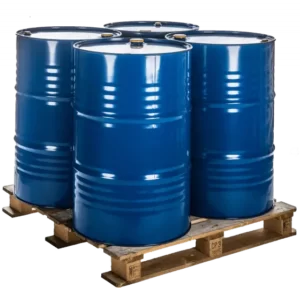


)
Reviews
There are no reviews yet.